Lighting is often the most overlooked aspect of interior design, yet it shapes the entire atmosphere of a space. Too many people simply plug a lamp into the nearest socket, missing the chance to elevate their decor. A crystal table lamp isn’t just functional-it’s a sculptural element that interacts with light, shadow, and reflection. Placing it thoughtfully transforms not only the room’s ambiance but also how it’s experienced.
The Art of Strategic Placement for Crystal Lighting
Where you position a crystal lamp can make the difference between a subtle accent and a breathtaking focal point. The key lies in understanding how light travels throughhand-cut crystal and how the material interacts with its surroundings. Unlike opaque materials, crystal doesn’t block sightlines-its transparency allows it to blend into smaller spaces without adding visual weight, even as it commands attention through brilliance.
Enhancing Natural Light Reflections
During the day, a crystal lamp continues to perform even when switched off. Positioned near a window, it captures daylight and disperses it through its facets, creating subtle rainbows and shimmering highlights across walls and floors. This effect is especially striking in rooms with large glass surfaces, where the interplay between natural light and the lamp’s geometry becomes part of the decor. For those seeking to elevate their interior with exceptional craftsmanship, choosing a decorative crystal table lamp remains the most effective way to combine functional light with timeless artistry.
Creating Focal Points in Living Areas
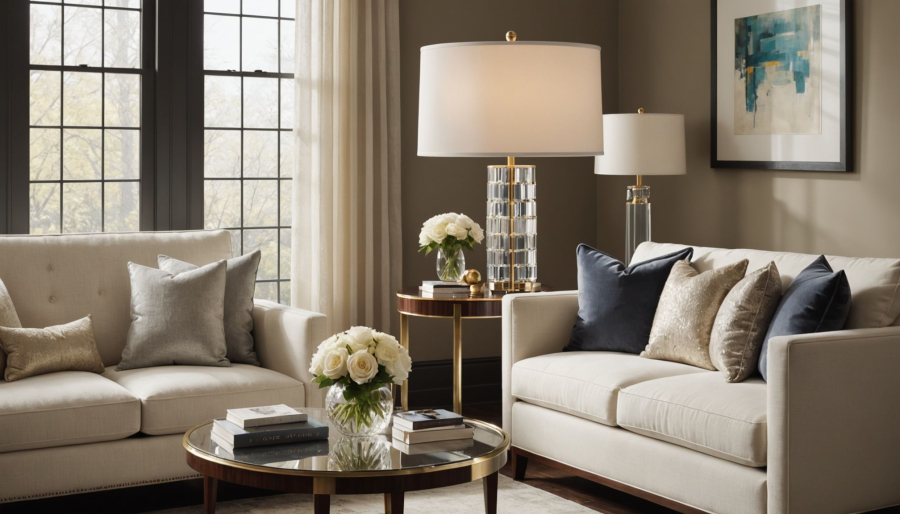
In living rooms, side tables are more than furniture-they act as pedestals for design statements. A well-placed lamp draws the eye and anchors a seating area. To maximize impact, align the top of the lampshade roughly with eye level when seated. This ensures a soft, diffused glow that enhances conversation and comfort without glare. The clarity of mouth-blown crystal allows light to pass through unimpeded, amplifying brightness while maintaining elegance.
Balancing Symmetry and Asymmetry
While a single crystal lamp can serve as a striking solo piece, pairing two creates instant balance-ideal for formal spaces like dining rooms or entry halls. On a sideboard or console, matching lamps reinforce symmetry and order. However, in more relaxed settings, an asymmetrical arrangement with differing heights or complementary styles can feel more dynamic. The visual weight of genuine crystal means even one piece can ground a composition, so placement should always consider the room’s existing proportions.
Optimal Lamp Dimensions for Different Surfaces
The Proportions Rule for Consoles
The base of a crystal lamp should occupy no more than one-third of the table’s width to avoid overcrowding. A narrow console, for instance, calls for a slimmer base, while a broader surface can support a heavier, more elaborate design. Always ensure the furniture is sturdy enough to support the lamp’s weight-genuine crystal is dense, and lighter materials like particleboard may not be sufficient.
Standard Heights for Seated Comfort
Comfort and function go hand in hand. A bedside lamp should allow for easy reading without casting harsh shadows, while a living room piece should provide ambient glow without obstructing views. The following table outlines recommended dimensions for optimal placement.
| Surface Type | Recommended Lamp Height | Visual Effect |
|---|---|---|
| Console | 24-30 inches | Creates vertical balance and draws the eye upward |
| Bedside | 20-26 inches | Ensures shade aligns with seated eye level for reading |
| Desk | 18-24 inches | Provides focused light without glare on screens |
Mastering the Room-by-Room Lighting Strategy
Sophisticated Entryway Statements
The entryway sets the tone for the entire home. A crystal lamp on a console table adds instant refinement, especially in darker hallways where natural light is limited. Modern pieces with dimmable LEDs offer adjustable brightness, allowing you to shift from a welcoming glow to a more subdued ambiance.
Bedside Elegance and Functionality
Next to a bed, a crystal lamp should support both function and mood. Position it so the light source is shielded from direct view-ideally, the shade should cover the bulb entirely. The refracted light softens against walls, creating a calming effect ideal for winding down. Keep cords tucked away for a clean, uncluttered look.
Dining Room Ambiance Enhancers
On a buffet or sideboard, crystal lamps complement fine tableware and glassware, enhancing the room’s overall sense of occasion. They work particularly well when layered with overhead lighting, such as a chandelier, to create depth and warmth during meals.
- Avoid placing lamps in high-traffic corners where they might be knocked over
- Layer with floor lamps to create balanced, multi-level lighting
- Check how the lamp reflects in mirrors or glass doors to avoid visual clutter
- Use dimmers to adjust brightness based on the time of day or activity
- Match the cut and clarity of the crystal with existing decor elements
Technical Considerations for High-End Crystal Placement
Safety and Stability on Delicate Surfaces
Authentic crystal is significantly heavier than standard glass. When placing a lamp on a wooden, marble, or glass-top table, use protective felt pads to prevent scratching. On glass surfaces, ensure the table is tempered and securely anchored-sudden impacts could compromise stability. In open-plan spaces, route cords safely to avoid tripping hazards, especially in homes with children or pets.
Managing Glare and Light Diffusion
The precision of hand-cut facets determines how light is refracted. Some cuts scatter light widely, while others focus it downward. If glare becomes an issue, consider adding a fabric shade to diffuse the beam. Many contemporary designs now integrate dimmable LED systems, allowing you to control intensity and color temperature-this modern touch enhances the traditional craftsmanship without compromising authenticity.
Integrating Modernity with Heritage Techniques
Contemporary Stylings for Traditional Crystal
One of the strengths of crystal lighting is its adaptability. A classic piece can feel at home in a minimalist setting, where its intricate details become the focal point against clean lines and neutral tones. Clear crystal, in particular, blends seamlessly with any color scheme, allowing the light itself to become the decorator. When illuminated, the art de vivre embedded in each piece-centuries of European craftsmanship-comes alive through the dance of reflections and shadows.
The Importance of Light Quality in Luxury Interiors
A well-placed crystal lamp does more than illuminate-it transforms the emotional tone of a room. The interplay of light and refraction creates movement, depth, and warmth, turning static spaces into dynamic environments. Unlike flat, uniform lighting, crystal introduces texture through shadow play and sparkle. It’s not just about brightness; it’s about atmosphere. In luxury interiors, where every detail matters, a single lamp can redefine the experience of a space, proving that light, when shaped by artistry, becomes an essential element of design.
Frequently Asked Questions about Crystal Lamp Placement
Can I place a heavy crystal lamp on a glass-top table safely?
Yes, provided the glass is tempered and the table is structurally sound. Use protective pads to prevent scratching, and ensure the lamp’s base distributes weight evenly. Avoid placing it near edges where accidental bumps could occur.
What is the average cost of maintaining high-quality crystal lighting?
Maintenance is generally low. Occasional dusting and cleaning with a soft cloth and mild solution are sufficient. LED bulbs, often used in modern designs, last for years and require no frequent replacement, keeping long-term costs minimal.
How do I safely clean the facets of my lamp after installation?
Use a lint-free microfiber cloth and a solution of water with a small amount of vinegar or mild glass cleaner. Avoid abrasive materials. For tight angles between facets, a soft brush-like a clean toothbrush-can help remove dust gently.
Does the manufacturer provide a certificate of authenticity for the crystal?
Reputable makers of handcrafted crystal often include documentation verifying origin and craftsmanship. This may include details about the production process, materials used, and artisan signatures, serving as a mark of heritage and quality.
